Tattoo removal with multiple laser types

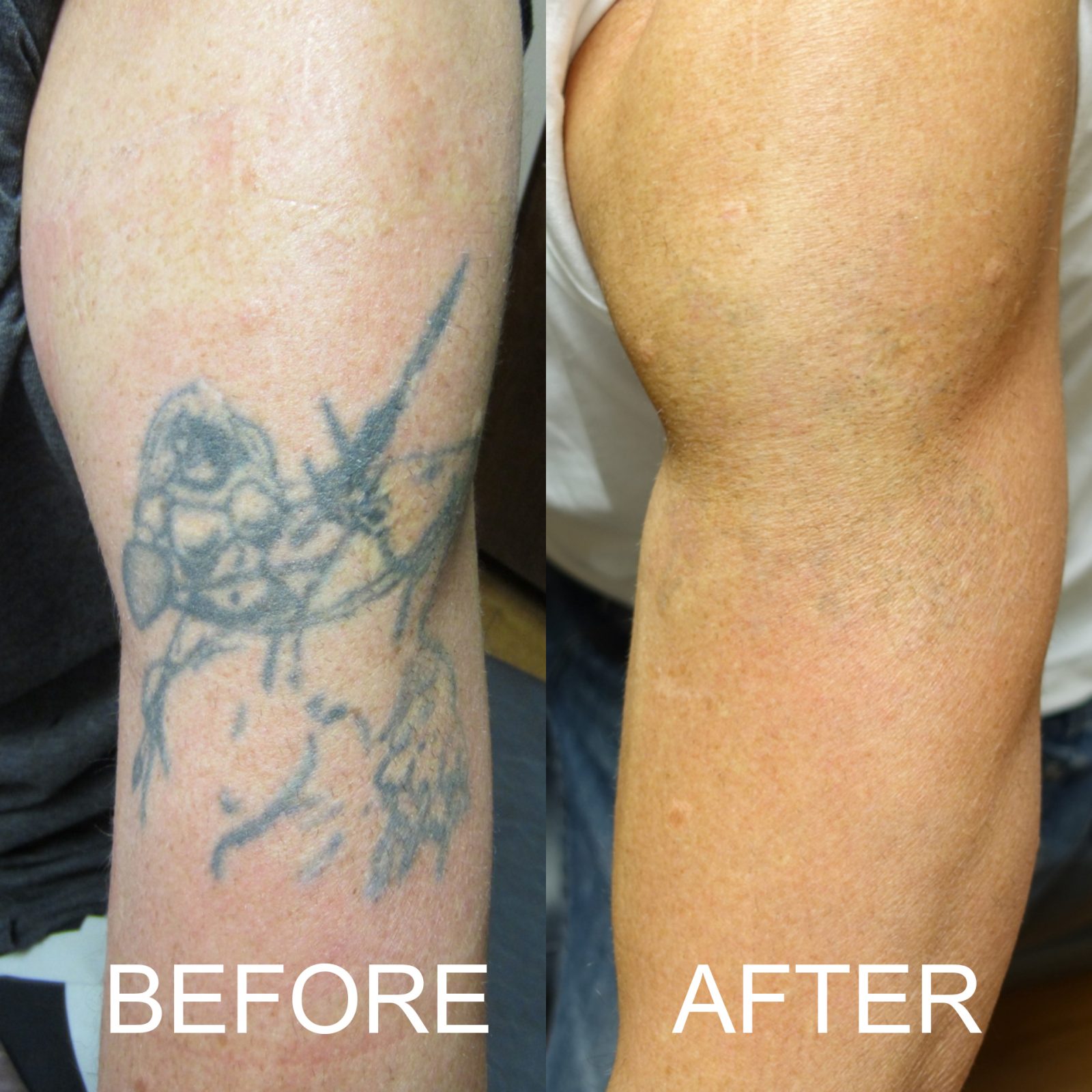
Got a tattoo you regret? You're not alone! Thankfully, laser tattoo removal has come a long way, offering effective solutions for unwanted ink. But with various laser types available, choosing the right one can feel overwhelming. This guide breaks down the most common laser types and their applications, empowering you to make informed decisions on your tattoo removal journey.
The Science Behind Laser Tattoo Removal
Lasers target the pigment in your tattoo, breaking it down into tiny particles that your body naturally absorbs. Different lasers work best on different colors, making the choice of laser crucial for optimal results.
Common Laser Types:
Q-switched Nd:YAG laser: This versatile laser is effective on black and dark-colored tattoos, as well as some colors like blue and green.
Q-switched Alexandrite laser: This laser excels at removing red, yellow, and orange pigments.
Q-switched Ruby laser: This laser is highly effective on red and purple inks.
Picosecond laser: This advanced technology delivers ultra-short pulses of energy, making it effective on a wider range of colors and providing faster fading results compared to traditional lasers.
Choosing the Right Laser for You
The best laser type for you depends on:
Tattoo color: The laser should be chosen based on the dominant color of your tattoo.
Skin type: Your skin tone and sensitivity play a role in laser selection.
Tattoo size and depth: Larger tattoos may require multiple treatments and different laser combinations.
Treatment provider: Experienced professionals can recommend the most suitable laser for your specific needs.
The Tattoo Removal Process
Laser tattoo removal typically involves multiple sessions spaced several weeks apart. During each treatment, a cooling gel is applied to the skin to minimize discomfort. The laser emits short pulses of light that break down the ink particles.
Post-Treatment Care
Following treatment, it's crucial to keep the treated area clean and protected from the sun. Your dermatologist will advise on specific aftercare instructions.
Factors Affecting Success
While laser tattoo removal is effective, several factors can influence its success rate:
Ink color: Darker inks generally respond better to laser treatment.
Tattoo age and depth: Older and deeper tattoos may be more challenging to remove.
Individual skin type and healing ability: Some individuals may experience faster fading than others.
Consulting a Dermatologist:
Before embarking on tattoo removal, it's essential to consult a qualified dermatologist. They can assess your tattoo, discuss your expectations, and recommend the most suitable laser type and treatment plan for your individual needs.
Remember: While laser tattoo removal offers a safe and effective solution for unwanted tattoos, it's a process that requires patience and commitment. Choosing the right laser and working closely with a skilled dermatologist can ensure a positive outcome and help you say goodbye to your unwanted ink.


Comments
Post a Comment