Erase the past: a complete guide to laser tattoo removal
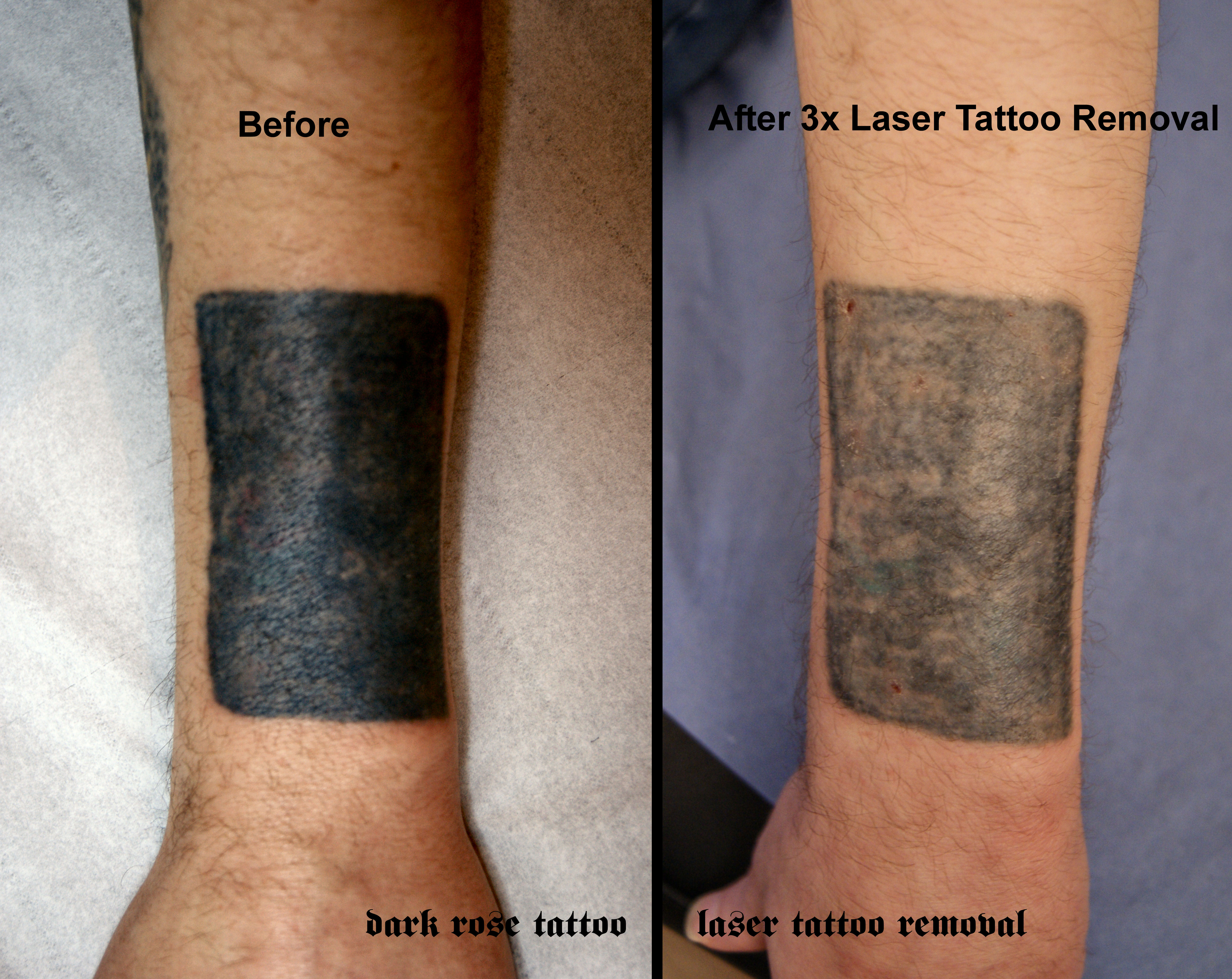
Have you ever regretted getting a tattoo? Maybe it's a youthful indiscretion, a faded symbol of a past relationship, or simply something that no longer reflects your current self. Fortunately, laser tattoo removal offers a safe and effective way to erase the past and reclaim your skin.
This comprehensive guide will provide you with actionable insights into laser tattoo removal, from understanding the process to finding the right practitioner.
How Does Laser Tattoo Removal Work?
Laser tattoo removal uses concentrated beams of light to target the ink particles in your skin. The laser energy breaks down the ink into tiny fragments, which are then absorbed by your body's natural immune system. The result is a gradual fading of the tattoo over multiple sessions.
What to Expect During Treatment:
Consultations: Before any procedure, a qualified practitioner will assess your tattoo, medical history, and desired outcome. They will discuss the treatment plan, potential side effects, and realistic expectations.
Sessions: Multiple sessions are required to fully remove a tattoo, with intervals of 4-6 weeks between each. The number of sessions depends on factors like tattoo size, ink color, and skin type.
Pain and Discomfort: While some discomfort is expected, most people describe the sensation as a stinging or prickling feeling. Topical numbing creams can help alleviate discomfort.
Healing: After each session, the treated area may appear red, swollen, or blistered. These are normal side effects that typically subside within a few days.
Finding the Right Practitioner:
Experience and Expertise: Look for a board-certified dermatologist or plastic surgeon with extensive experience in laser tattoo removal.
Technology: Ensure the clinic uses state-of-the-art laser technology for optimal results and safety.
Reputation and Reviews: Research the practitioner's credentials and read online reviews from previous patients.
Consultation: Schedule a free consultation to discuss your concerns, expectations, and treatment plan.
Cost and Considerations:
Cost: Laser tattoo removal can be expensive, with costs varying based on factors like tattoo size, ink color, and number of sessions.
Insurance: Most insurance companies do not cover laser tattoo removal, which is considered an elective procedure.
Alternative Options: If laser removal isn't feasible, consider camouflage makeup, dermabrasion, or surgical removal as alternative options.
Embrace Your New Skin:
Laser tattoo removal offers a safe and effective way to reclaim your skin and move on from a past you may no longer identify with. By choosing an experienced practitioner and understanding the process, you can confidently erase the past and embrace a fresh canvas for the future.


Comments
Post a Comment